is the a light bulb more efficient than led
Illuminating the Debate: Are Conventional light Bulbs More Efficient Than leds?
In the realm of artificial illumination, the choices seem endless, yet one question continues to flicker at the forefront of discussion: Is the traditional incandescent light bulb more efficient than its modern counterpart, the LED? As we navigate the maze of energy consumption, brightness, and longevity, it’s essential to shine a light on the facts. With the world becoming increasingly conscious of energy usage and its environmental impact, understanding the efficiency of these lighting options has never been more critical. Join us as we delve into the intricacies of light bulb technology, exploring the benefits and drawbacks of each, to determine wich truly stands out in the quest for a brighter, more sustainable future.
Table of Contents
- Comparing Energy Consumption between Traditional Bulbs and LED Technology
- Understanding Longevity: How Lifespan Affects Efficiency and Cost
- Environmental Impact: A Deeper Look at Light Bulb Footprints
- Smart Choices: Recommendations for Maximizing Lighting Efficiency
- Q&A
- The Conclusion
Comparing Energy Consumption Between Traditional Bulbs and LED Technology
The landscape of energy consumption has dramatically shifted with the advent of LED technology.Traditional incandescent bulbs, which have been a staple in homes and businesses for over a century, typically consume around 60 watts for an output of about 800 lumens of light. In contrast, their modern counterparts can produce the same luminosity while consuming a mere 8-12 watts. This stark difference not only highlights the efficiency of LEDs but also showcases their potential to substantially reduce electricity bills and overall energy consumption.
When compared in terms of longevity, the benefits become even clearer. A traditional bulb generally lasts around 1,000 hours, whereas an LED can last anywhere from 15,000 to 50,000 hours, depending on usage and quality.This means not only fewer replacements but also less frequent disposal,leading to fewer bulbs ending up in landfills. here’s a quick comparison for visual reference:
| Type | Power Consumption (Watts) | Lifespan (Hours) | Average Lumens |
|---|---|---|---|
| Traditional Bulb | 60 | 1,000 | 800 |
| LED Bulb | 8-12 | 15,000 – 50,000 | 800 |
Understanding Longevity: How Lifespan Affects Efficiency and Cost
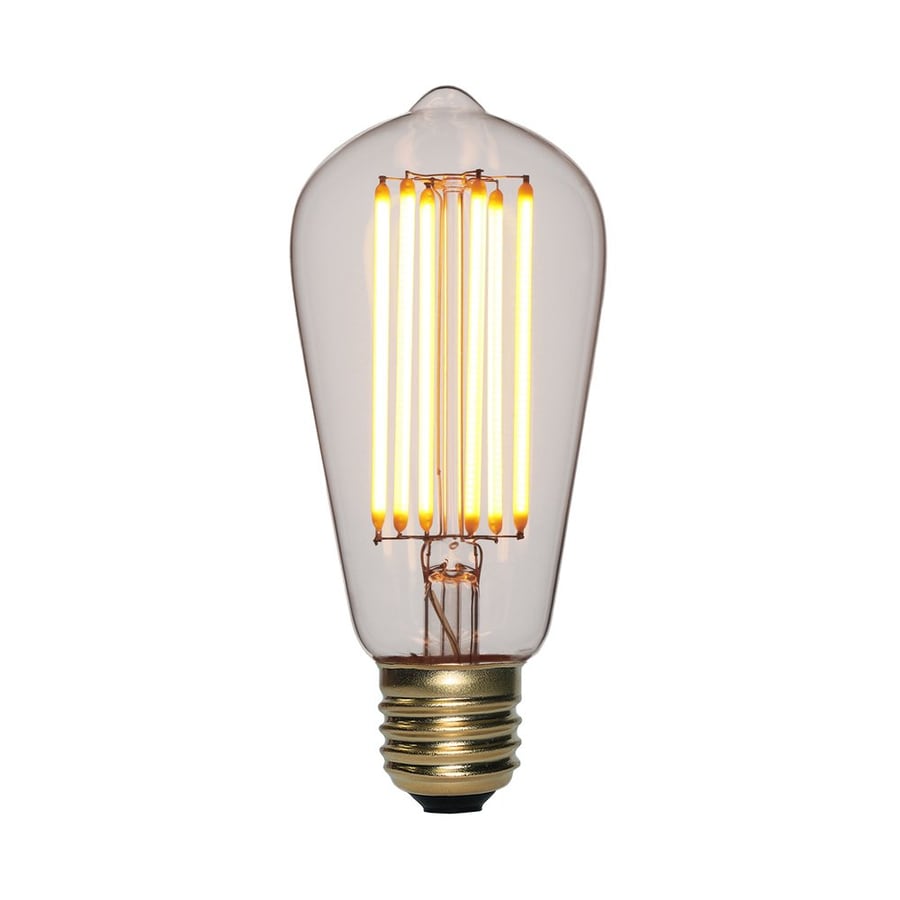
When comparing traditional incandescent bulbs to LED lights, it’s vital to consider lifespan as a key factor that influences overall efficiency and led-light-bulb-st19-6w-e26-dim-to-warm-2000-2800k-cri95-600lm-clear/” title=”Vintage LED Light Bulb ST19 6W, E26 Dim-to-warm 2000-2800K CRI95 600LM Clear”>cost-effectiveness. For instance, typical incandescent bulbs have a lifespan of about 1,000 hours, whereas LED bulbs can last for 15,000 to 50,000 hours or more. This dramatic difference means that although the upfront cost of LED lighting may be higher, the longevity of these bulbs can drastically reduce replacement frequency and associated labor costs, thus improving efficiency in terms of time and resources.
Along with longevity, the efficiency of light output per watt is another area where LEDs shine brightly. Here’s a brief comparison highlighting key aspects:
| Feature | Incandescent Bulb | LED Bulb |
|---|---|---|
| Average Lifespan | 1,000 hours | 15,000-50,000 hours |
| Energy Efficiency | 10-17 lumens per watt | 80-100 lumens per watt |
| Heat emission | High | Low |
| Cost Over 10 Years | Higher due to frequent replacements | Lower due to longevity and efficiency |
By understanding these distinctions, it becomes clearer that investing in LED technology can lead to significant savings over time, even if the initial purchase price is higher. Ultimately, choosing the right bulb not only enhances lighting quality but also promotes sustainability and reduces waste, proving that smarter choices can create lasting environmental benefits.
Environmental Impact: A Deeper Look at Light Bulb Footprints
The environmental impact of light bulbs extends far beyond their initial cost or luminous efficiency. Traditional incandescent bulbs produce a significant amount of heat, translating their energy usage into wasted resources. This inefficiency contributes to higher greenhouse gas emissions as more power is required from fossil fuel-based energy sources. in contrast, compact fluorescent lamps (CFLs) and light-emitting diodes (LEDs) offer a greener alternative, but it’s crucial to examine their full lifecycle impacts, including manufacturing, usage, and disposal stages. Here’s a closer look at some considerations:
- Energy Consumption: LEDs consume up to 80% less energy than incandescent bulbs.
- Longevity: LEDs can last up to 25,000 hours, significantly reducing the frequency of replacements and waste.
- Materials: CFLs contain mercury, necessitating careful disposal, while LED materials are less hazardous but require rare minerals.
Understanding the ecological footprints requires analyzing waste management practices as well. As an example, the sorting and recycling of old bulbs can mitigate environmental risks. It’s essential to weigh the benefits against potential harm. Here’s a simplistic look at the comparative aspects regarding waste and disposal:
| Light Bulb Type | Waste Impact | Recycling Options |
|---|---|---|
| Incandescent | Low, easily disposed of | Not recyclable |
| CFL | medium, contains hazardous materials | Special recycling necessary |
| LED | Medium, recyclable but complex | Acceptable recycling options available |
Smart Choices: Recommendations for Maximizing Lighting Efficiency
To enhance your lighting efficiency, consider the following smart choices that prioritize both environmental and economic benefits. First, select the right bulb type for your needs. While traditional incandescent bulbs are often less efficient, there are alternatives like compact fluorescent lamps (CFLs) and LEDs that shine brighter in terms of energy use. LED bulbs consume significantly less electricity and have a longer lifespan, making them a wise investment for any household or office.Additionally,incorporate smart technology into your lighting design. Smart bulbs allow you to control brightness and scheduling through an app, which can lead to optimal energy savings and tailored lighting experiences.
Another key aspect in maximizing lighting efficiency is the placement and design of fixtures. Ensure that your spaces are well-lit with strategically positioned lights, allowing for maximum illumination without unnecessary energy waste. Opt for fixtures that can accommodate multiple bulbs or have adjustable features. Don’t overlook the importance of reflective surfaces; incorporating mirrors or light-colored walls can amplify light distribution,reducing the need for additional lighting sources. Lastly, consider establishing a routine to replace outdated fixtures and bulbs promptly. Keeping up with innovations in lighting technology ensures that you are always benefitting from the most efficient options available.
Q&A
Q: What is the primary focus of this article?
A: This article seeks to explore the efficiency of traditional incandescent light bulbs compared to modern LED bulbs. By delving into their energy consumption, lifespan, and overall effectiveness, we aim to illuminate the nuances of lighting technology.
Q: What do you mean by “efficiency” in the context of light bulbs?
A: efficiency, in this case, refers to the amount of light produced per watt of energy consumed. We also consider factors like lifespan, heat output, and environmental impact, as these play critical roles in determining how resourceful a lighting option truly is.
Q: How do incandescent bulbs work, and what makes them less efficient?
A: Incandescent bulbs work by passing an electric current through a filament, which heats up and emits light. Though, a significant portion of energy is wasted as heat rather than converted to visible light.On average, they produce about 10-17 lumens per watt, making them far less efficient than their LED counterparts.
Q: And how does an LED bulb differ in its operation?
A: LED bulbs, or Light Emitting Diodes, function by passing current through a semiconductor, which emits light.This process is inherently more efficient, resulting in LED bulbs generating about 80-100 lumens per watt with far less wasted heat.
Q: What about the lifespan of these two types of bulbs?
A: Lifespan is another key factor in efficiency. Incandescent bulbs typically last for about 1,000 hours, whereas LED bulbs can last anywhere from 15,000 to 50,000 hours or more. The longer an LED bulb operates without replacement, the more energy and materials are saved over time.
Q: Are there any environmental considerations to think about?
A: Definitely. The manufacturing and disposal of traditional incandescent bulbs involve higher energy consumption and materials that may have more environmental impacts. In contrast, LED bulbs, while requiring specific disposal due to the presence of electronic components, are generally more sustainable over their operational life.
Q: Can there be scenarios where incandescent bulbs might be preferable?
A: While LED bulbs are mostly superior in efficiency, there might be instances where some people prefer the warm light and familiar aesthetics of incandescent bulbs, especially in traditional settings or for specific lighting effects. However, these preferences often come at the cost of higher energy bills and maintenance.
Q: which is more efficient?
A: Based on the data available, LED bulbs are significantly more efficient than incandescent bulbs. They provide greater luminosity for less energy, have a longer lifespan, and contribute positively to reducing energy consumption overall. Making the switch to LEDs can illuminate not just your home, but also a more sustainable future.
The Conclusion
In the illuminated world of lighting technology, the debate between traditional incandescent bulbs and the modern LED alternatives continues to flicker with meaning. While incandescent bulbs have long been a household staple, their inefficiencies are no match for the energy-savvy LEDs that have stepped into the limelight. As we draw the curtain on this exploration, it’s clear that the future of lighting is not just about brightness, but also about sustainability and long-term cost savings. Whether you’re swayed by the warm glow of nostalgia or the crisp brilliance of energy efficiency, one thing remains certain: the choice of light is not merely a matter of illumination but a reflection of our commitment to a brighter, more sustainable future. So as you make your lighting choices, remember that in this clash of bulbs, it’s not just about choosing light, but about choosing how we illuminate the path ahead.